
Essential Surgical Approaches for Urology Cases Requiring Hospitalization

Urology cases that require surgery or hospitalization often involve complex conditions affecting the urinary tract and male reproductive organs. These cases demand precise surgical techniques and careful postoperative care to ensure the best outcomes. Understanding the common surgical approaches and their indications helps patients and healthcare providers prepare for treatment and recovery.

Common Urological Conditions Requiring Surgery
Several urological conditions necessitate hospitalization and surgical intervention. These include:
Kidney stones that are too large to pass naturally or cause obstruction
Bladder tumors requiring removal or biopsy
Prostate enlargement causing urinary retention or other complications
Urinary tract obstructions from strictures or congenital abnormalities
Trauma to the urinary tract or reproductive organs
Infections that do not respond to medication and lead to abscess formation
Each condition requires a tailored surgical approach based on severity, patient health, and anatomical considerations.
Surgical Techniques in Urology
Urological surgery has evolved significantly, offering minimally invasive options alongside traditional open surgery. The main surgical techniques include:
Open Surgery
Open surgery involves a larger incision to access the affected area directly. It remains necessary for complex cases such as large tumors, extensive trauma, or when minimally invasive methods are not feasible.
Example: Open nephrectomy to remove a kidney affected by cancer.
Advantages: Direct visualization, ability to handle complicated anatomy.
Disadvantages: Longer recovery time, more postoperative pain.
Laparoscopic Surgery
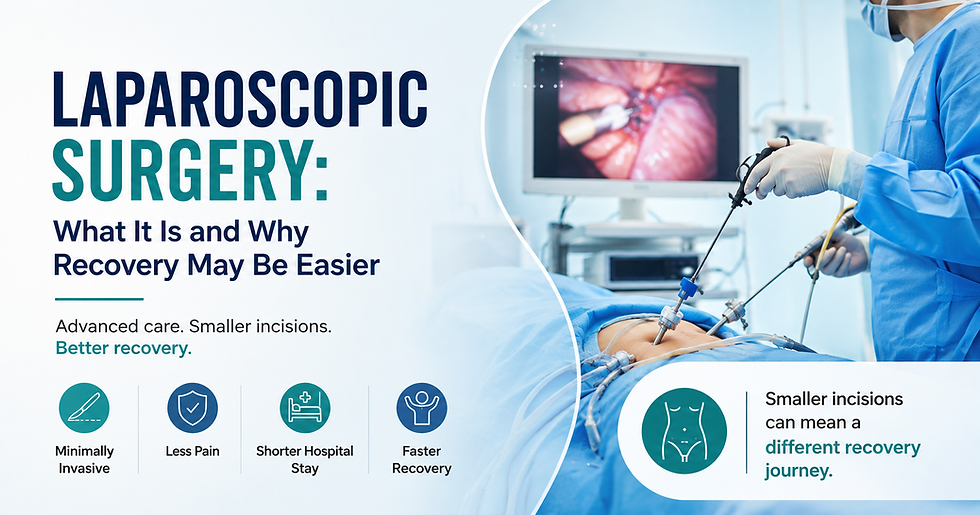
Laparoscopic surgery uses small incisions and a camera to guide instruments inside the body. It is common for kidney, prostate, and bladder surgeries.
Example: Laparoscopic pyeloplasty to correct ureteropelvic junction obstruction.
Advantages: Less pain, shorter hospital stay, quicker recovery.
Disadvantages: Requires specialized skills and equipment.
Robotic-Assisted Surgery
Robotic systems enhance laparoscopic surgery by providing greater precision and control. This approach is increasingly popular for prostatectomies and partial nephrectomies.
Example: Robotic-assisted radical prostatectomy for prostate cancer.
Advantages: Improved accuracy, reduced blood loss, faster recovery.
Disadvantages: Higher cost, availability limited to specialized centers.
Endoscopic Procedures
Endoscopic surgery involves inserting instruments through natural openings such as the urethra to treat conditions like bladder tumors or ureteral stones.
Example: Transurethral resection of bladder tumor (TURBT).
Advantages: No external incisions, outpatient or short hospital stay.
Disadvantages: Limited to certain conditions and tumor sizes.
Preoperative Preparation and Hospitalization
Patients scheduled for urological surgery undergo thorough evaluation including imaging, blood tests, and sometimes biopsy. Preoperative preparation focuses on:
Optimizing medical conditions such as diabetes or hypertension
Ensuring no active infections are present
Discussing anesthesia options and surgical risks
Planning postoperative care and pain management
Hospitalization duration varies by procedure complexity. Minimally invasive surgeries may require only 1-2 days, while open surgeries can need a week or more.
Postoperative Care and Recovery
Effective postoperative care is crucial to prevent complications and promote healing. Key aspects include:
Pain control using medications and nerve blocks
Monitoring for bleeding, infection, or urinary leakage
Early mobilization to reduce risk of blood clots
Catheter management if urinary drainage is needed
Follow-up imaging or cystoscopy to assess surgical success
Patients receive detailed instructions on activity restrictions, wound care, and signs of complications to watch for after discharge.
Specific Surgical Cases and Approaches
Kidney Stones
Large or obstructive stones often require surgical removal. Options include:
Percutaneous nephrolithotomy (PCNL): A small incision in the back to remove stones directly.
Ureteroscopy with laser lithotripsy: Endoscopic approach to break stones in the ureter or kidney.
Prostate Surgery
For benign prostatic hyperplasia (BPH) causing severe symptoms, surgeries include:
Transurethral resection of the prostate (TURP): Removing prostate tissue via the urethra.
Open prostatectomy: For very large prostates not suitable for TURP.
Bladder Tumors
Surgical removal depends on tumor size and depth:
TURBT for superficial tumors.
Partial or radical cystectomy for invasive cancers, sometimes with urinary diversion.
Urinary Tract Obstruction
Surgical correction may involve:
Ureteral stenting or balloon dilation.
Pyeloplasty to repair ureteropelvic junction obstruction.
Risks and Complications
All surgeries carry risks. Common complications in urological surgery include:
Bleeding requiring transfusion
Infection at surgical site or urinary tract
Injury to surrounding organs or nerves
Urinary incontinence or retention
Blood clots or anesthesia-related issues
Surgeons take precautions to minimize these risks and manage complications promptly if they occur.
Advances Improving Surgical Outcomes
Recent advances have improved safety and effectiveness in urological surgery:
Enhanced imaging techniques for better surgical planning
Use of 3D models and virtual reality for training
Development of new robotic platforms with improved dexterity
Better pain management protocols reducing opioid use
These improvements help reduce hospital stays and speed recovery.


Comments